I’ve spent my complete life fortunately strolling in a single path: ahead. It was, I believed, the one technique to go, so I dutifully logged dozens of miles a month wanting like each different particular person out for a morning stroll.
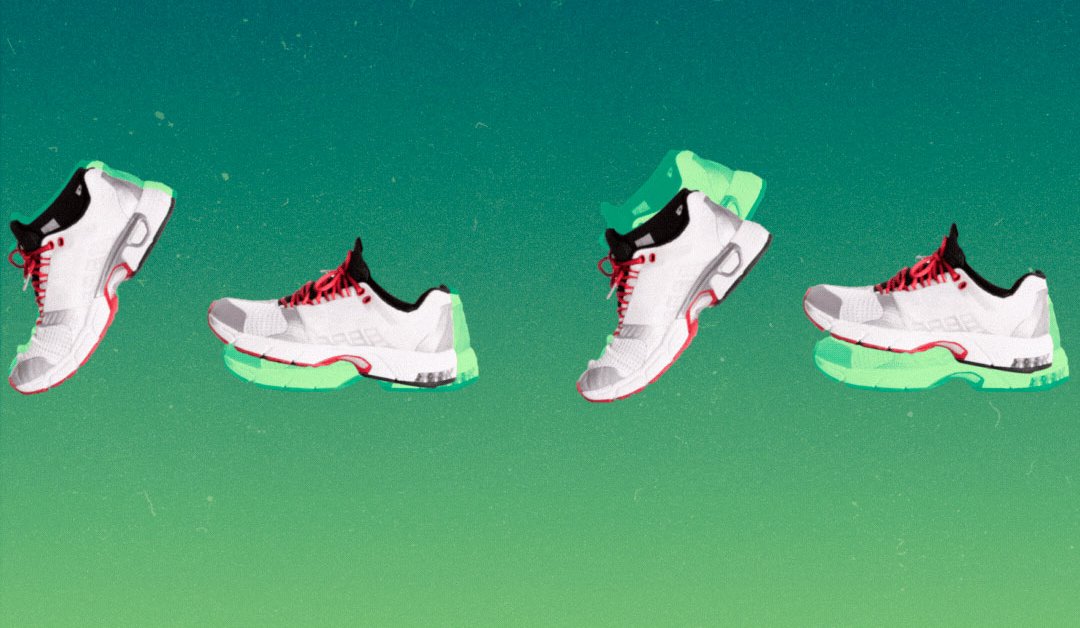
No extra. Due to TikTok, I found a brand new (to me, at the very least) spin on strolling: backward strolling, also referred to as “retro-walking.” Although it’s trending on social-media platforms proper now, bodily therapists and health trainers have been touting its advantages for years. It’s a low-impact technique to burn energy, strengthen your legs, take a look at your coordination, and even enhance ache, specialists say—all of which lured me onto my quiet, rural road one afternoon to present it a whirl.
After about 50 steps, I noticed getting in reverse was no stroll within the park. It burned. I might really feel the switch-up in my decrease legs in a manner I don’t with extraordinary strolling until I’m powering up a hill. There was a psychological problem, too (past ignoring the unusual appears from my neighbors). I had no thought what was behind me, so I needed to interact all my senses to make sure I stayed upright and didn’t journey over any surprising obstacles—together with my strolling companion, who was barely sooner and, due to this fact, a pair steps behind me.
Once I informed a handful of specialists about my surprisingly enjoyable retro-walking expedition, they agreed extra individuals ought to make it a part of their routine. Right here’s a have a look at why.
It’s nice for older individuals
Backward strolling is an underrated technique to interact your glutes, shins, and the muscle tissues in your ft and ankles, says Joe Meier, a Minnesota-based private coach and writer of Carry for Life. Plus, it mitigates the affect of every step, lowering the pressure exerted on the knees and decrease again. A part of its enchantment, he provides, is that it’s so accessible—and appropriate for individuals of any age and health stage.
Learn Extra: Why Strolling Isn’t Sufficient When It Involves Train
Meier has observed that older individuals, particularly, are drawn to backward strolling as a no-frills manner to boost their health routine. “When you go searching a health club that has tons of treadmills, you’ll see at the very least one or two individuals strolling backward at any given time,” Meier says. “There are at all times older people strolling backward on the bottom, too, and you may inform somebody has informed them, ‘Hey, you need to attempt doing this as a result of it’s nice to your steadiness and coordination—simply do not journey over something.’” He factors out that many pickleball gamers have adopted the observe: It may well assist strengthen their knees and guarantee they don’t take a (metaphorical) step again on the courts.
You’ll interact totally different muscle tissues
Strolling backward requires you to face up straighter than you do when strolling ahead, Meier says. By reversing your stride, you’ll create a brand new problem for the muscle tissues within the stomach, decrease limbs, and again. “You may discover your glute muscle tissues—your huge butt muscle tissues—are doing extra work,” Meier says. (Writer’s be aware: You’ll undoubtedly discover.) In the meantime, your calf muscle tissues might want to work reverse of how they often do. Once you stroll ahead, your calf contracts concentrically, which suggests the muscle will get shorter, he explains. Once you’re getting in reverse, your calf muscle contracts the other manner and will get longer because it bears your physique weight. That switch-up is usually a invaluable manner to enhance your health.
You’ll even be focusing on the quad muscle tissues on the entrance of your thighs. In line with one research—sure, scientists have studied this—individuals who walked backward thrice per week for six weeks ended up with improved quadriceps muscle energy, in comparison with those that walked ahead for his or her train. The quads are answerable for knee extension and straightening your leg, Meier explains—so that they, too, work otherwise once you’re strolling backward. “That’s one of many explanation why individuals say it helps their knee ache enhance,” he says. “You’re primarily strengthening your quads by doing this backward strolling trick.”
It may be good for individuals with accidents
When New York Metropolis-based Peloton Tread teacher Marcel Dinkins had patella points, she took up backward strolling. She returned to it not too long ago after tearing her ACL. “You get to push off,” she says, describing the movement required to launch into strolling in reverse. “When you might have operating or knee points, you often have slightly ache proper beneath your patella. Operating backward provides you some respite and reduction.”’
Learn Extra: Why Mountain climbing Is the Excellent Thoughts-Physique Exercise
Retro-walking has a protracted historical past of being utilized in a medical or rehabilitation sense, says Janet Dufek, a biomechanist and professor within the Faculty of Built-in Well being Sciences on the College of Nevada, Las Vegas, who has researched backward strolling. One research, for instance, discovered that after a six-week retro-walking program, contributors with osteoarthritis within the knee skilled higher discount in ache and useful incapacity in comparison with those that walked within the typical manner. One other discovered that backward strolling down a steep slope alleviated signs of plantar fasciitis. And in a research led by Dufek, strolling backward lowered decrease again ache and enhanced operate amongst athletes.
Retro-walking can be utilized in occupational remedy. Older individuals may observe strolling as much as a kitchen sink, for instance, after which strolling backward away from it. The flexibility to maneuver in reverse can improve “sensible actions of day by day residing,” Dufek says.
It might make you extra versatile
Many people sit all day lengthy—which ends up in coiled-up, restricted muscle tissues. “Our hip flexors, or the muscle tissues on the entrance of the thigh and the entrance of the hip, get tighter,” says Kristyn Holc, a bodily therapist with Atlantic Sports activities Well being Bodily Remedy in Morristown, N.J. After we stroll backward, we’re stretching that tissue—resulting in higher flexibility, which is linked to improved bodily efficiency, elevated muscle blood move, and a lowered threat of accidents. “You’ll discover lots of people, particularly as they become older, hinge on the hips—they get slightly little bit of a bend there,” she says. “That is as a result of their hip flexors are tight. So if we are able to stretch these out, it helps us be capable of get that upright posture.”
Your gait and steadiness may enhance
Elizabeth Stroot, a bodily therapist with Core Wellness & Bodily Remedy in Alexandria, Va., makes use of retro-walking to assist individuals normalize their gait sample, or how they stroll. “It’s a technique to faucet into our neuromuscular programming and get individuals to work by way of slightly limp or a range-of-motion restriction,” she says. Strolling backward for simply 20 or 30 ft at a time is commonly sufficient to assist some sufferers, she provides.
Learn Extra: Your Mind Does not Need You to Train
It may well additionally enhance steadiness management, particularly amongst older adults, who’re at the next threat of falls. That’s as a result of we keep our steadiness by way of three huge techniques, Holc says: our eyes, our muscle tissues and joints, and the vestibular system, or internal ear. After we stroll backward, we are able to’t see what’s behind us, which suggests we’ve got to depend on the opposite two techniques as an alternative, sharpening their skill to maintain us upright. “You’re having to really feel the place you might be in area, and that data is being despatched to the mind,” she says.
However it’s essential to do it safely
Many individuals experiment with retro-walking on their treadmill, which is freed from hazards like rocks, uneven floor, and different individuals. You don’t even have to show it on, Dinkins factors out: Merely step onto the machine backward, grasp the handrails, and use your individual energy to maneuver the belt. “When you’re pushing it, you’re going to get extra of that resistance,” she says—resulting in a greater exercise. When you do resolve to activate the treadmill, begin at a low velocity and hold the security key clipped to you always, Dinkins advises.
No treadmill? No downside: Select a protected spot indoors or outdoors, like a hallway, strolling monitor, or empty discipline. Dufek encourages individuals to companion up: “Two individuals face one another and maintain palms, and one in all them walks backward whereas the opposite one’s strolling ahead,” she says. “That particular person could be the eyes for the opposite one, so it’s very protected, and then you definitely simply swap locations.”
Irrespective of the place you begin backward strolling, take into account that you received’t go as quick backward as you do going ahead. There’s a studying curve, Dufek stresses: “When you can stroll four miles per hour ahead, don’t count on to have the ability to stroll that quick backward,” she says. “Not less than initially, in case you can stroll 1 mile per hour backward, you’re in a superb place.” As with all new train, ease in regularly. You may stroll backward for five or 10 minutes thrice per week, after which after a couple of weeks, add 5 extra minutes to every session, Dufek suggests. “As your physique neurologically learns the motion sample, you’ll stroll sooner,” she says. “And naturally, strolling sooner burns extra energy, and then you definitely could be out in public and get laughed out for even longer. It’s enjoyable.” How’s that for ahead progress?